How to read this Queen Victoria family tree
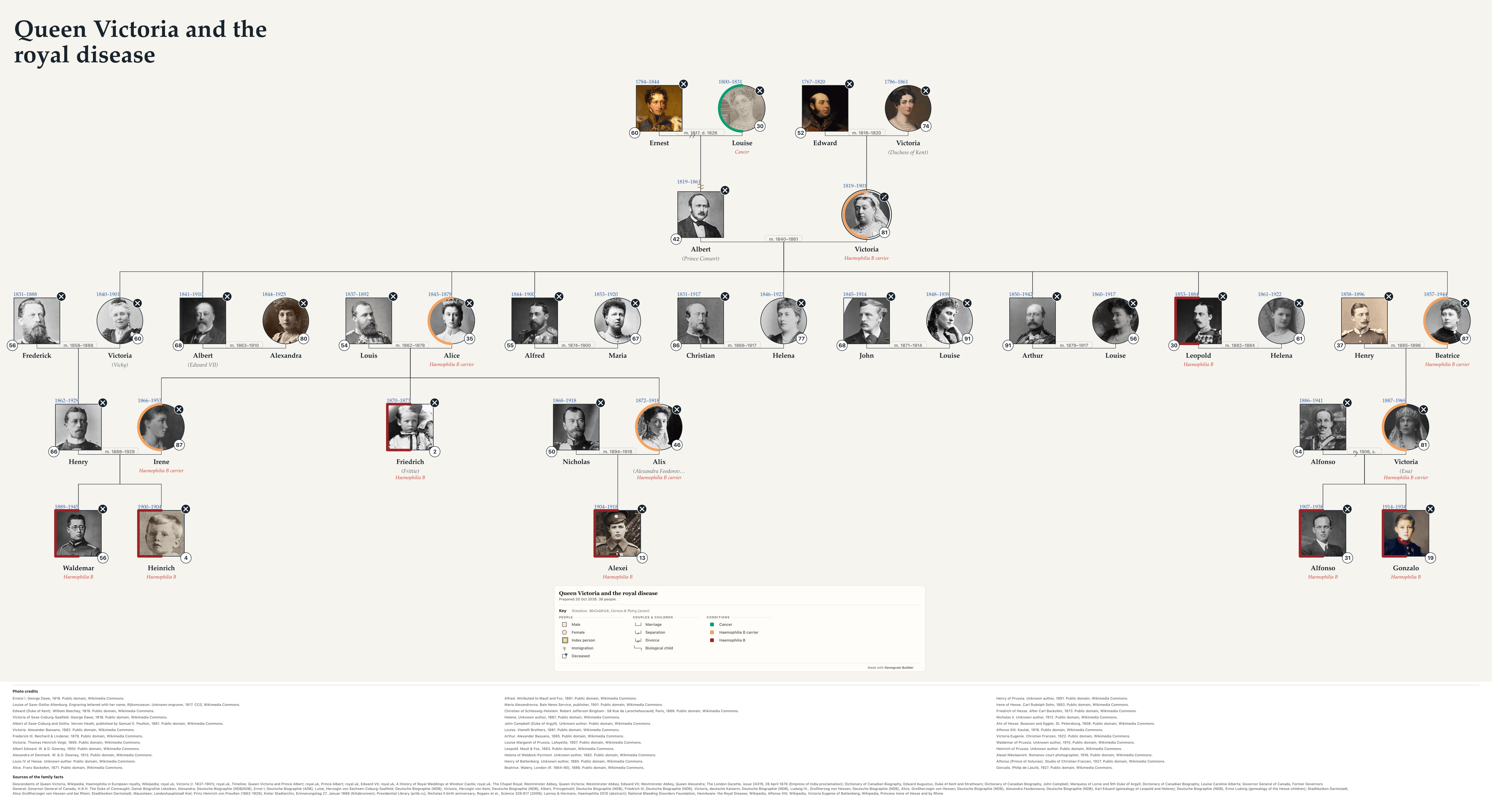
Read the Queen Victoria family tree from the top down, one generation to a row. The key under the chart names every mark.
A double ring is the centre
Queen Victoria is the centre.
A colour marks the disease
One colour is haemophilia B, another a carrier.
Lines run down to children
Below the third row only the line of the gene is drawn.
Haemophilia B, the royal disease
Haemophilia was called the royal disease for its effect on the royal houses of Europe.6 The form here was severe haemophilia B, caused by a change in F9, the gene for clotting factor IX.5
The gene lies on the X chromosome and the disorder is recessive, so it shows almost only in men, and a woman with one changed copy usually becomes a carrier.8 On the Queen Victoria family tree the disease therefore passes from carrier mothers to sons. The Queen’s mutation was probably new. Her father, the Duke of Kent, was 51 at her birth.8
In 2009 Evgeny Rogaev and his colleagues tested Romanov remains and named the disease as haemophilia B.5 The tests also showed that a daughter of Nicholas II, Maria or Anastasia, was a carrier.8
Every carrier and sufferer on the Queen Victoria family tree
Six women on the Queen Victoria family tree carried the gene and seven men had it. The Queen’s eldest daughter appears not to have carried it.8
| Person | Through | Status |
|---|---|---|
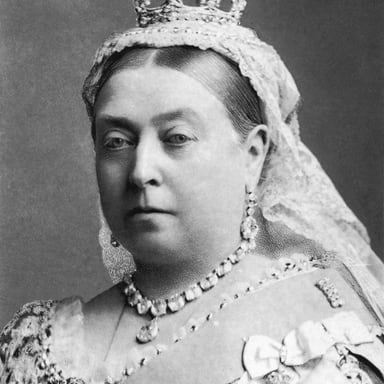 Queen Victoria | A new mutation | Carrier |
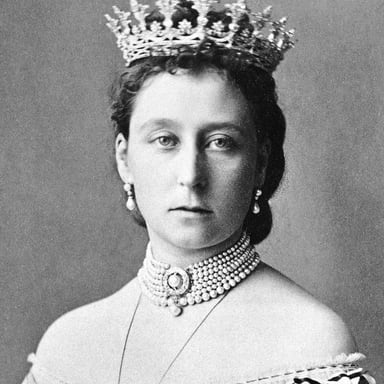 Alice | Victoria | Carrier |
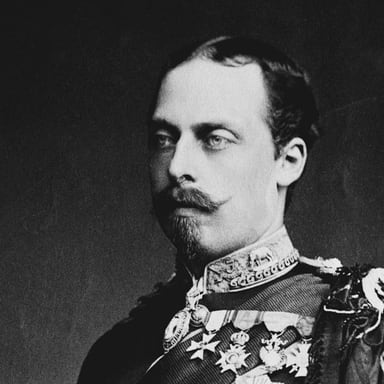 Leopold | Victoria | Haemophilia |
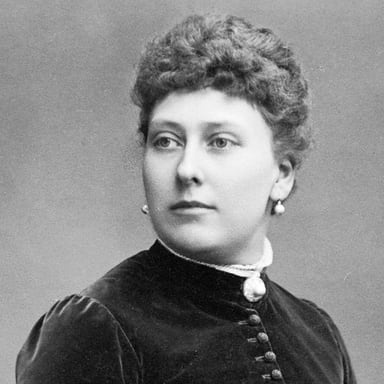 Beatrice | Victoria | Carrier |
 Friedrich of Hesse | Alice | Haemophilia |
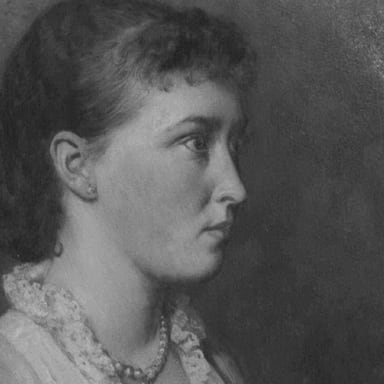 Irene of Hesse | Alice | Carrier |
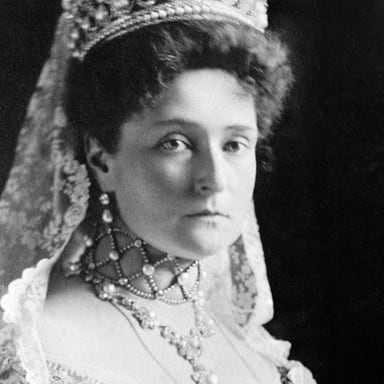 Alix of Hesse | Alice | Carrier |
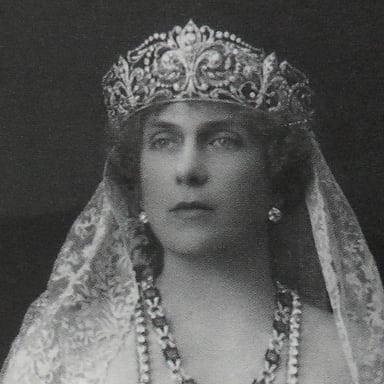 Victoria Eugenie | Beatrice | Carrier |
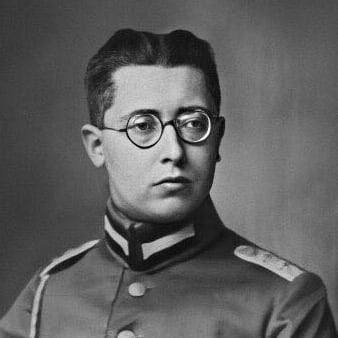 Waldemar of Prussia | Irene | Haemophilia |
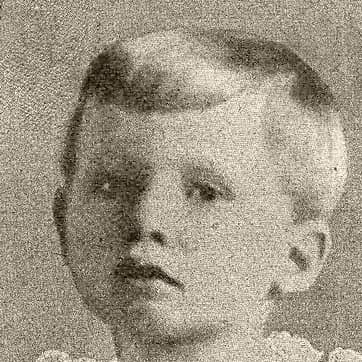 Heinrich of Prussia | Irene | Haemophilia |
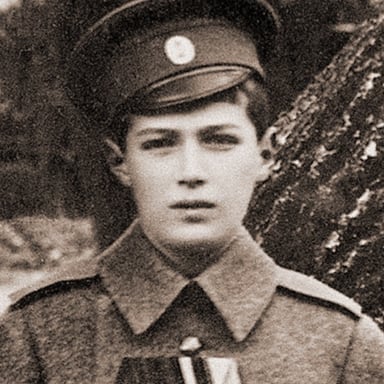 Alexei | Alix | Haemophilia |
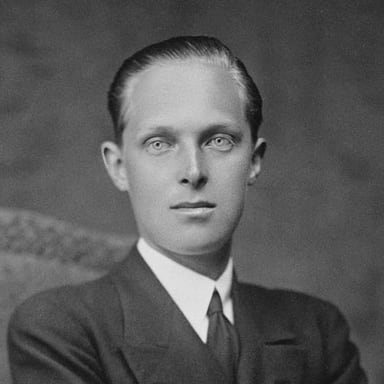 Alfonso | Ena | Haemophilia |
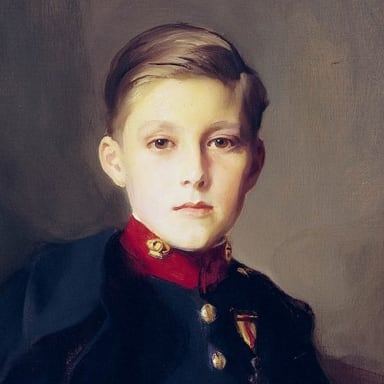 Gonzalo | Ena | Haemophilia |
Queen Victoria, the first carrier
Queen Victoriareigned 1837 to 1901
- Born
- 1819, Kensington Palace
- Crowned
- 1838, Westminster Abbey
- Married
- Prince Albert, 1840
- Died
- 1901, Osborne House
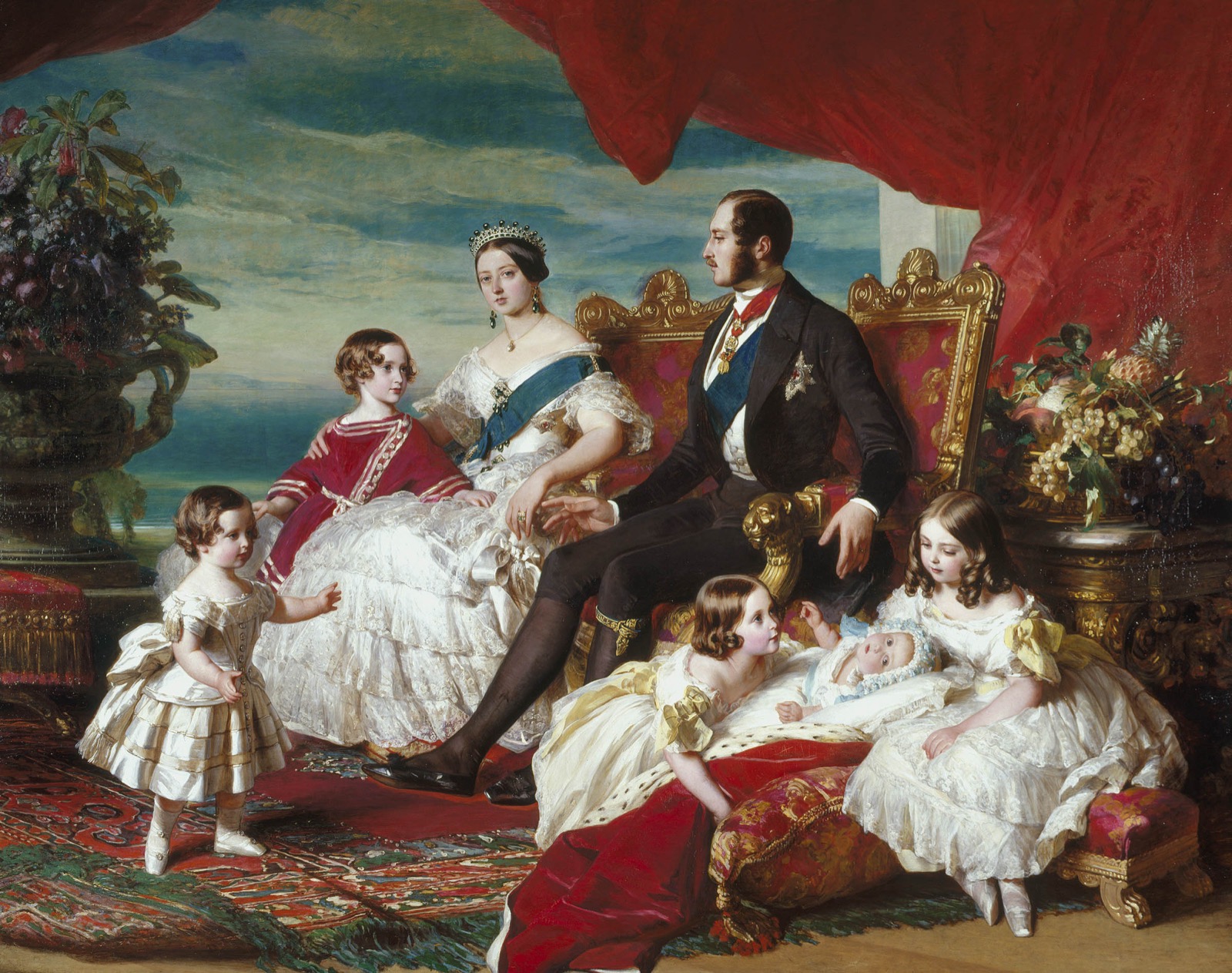
The Queen’s mother, Victoire, was a sister of Ernest I of Saxe-Coburg and Gotha, the father of Albert, so the couple were first cousins.43 They married in 1840 and had nine children, most of whom married into other royal families of Europe.1 Albert died of typhoid fever in 1861.2

Leopold, the son who had it
Leopold, the youngest son, inherited haemophilia and was diagnosed as a child.10 HemAware records that from a very young age he bruised readily and was often in pain.6 He married Helena of Waldeck-Pyrmont in 1882 and died at Cannes in 1884, aged thirty, after a fall.10
Alice and the line to Hesse and Russia
Alice married Louis of Hesse in 1862. Their son Friedrich had haemophilia and died in 1873, aged two, after a fall from a window.11 Her daughter Alix married Nicholas II of Russia in 1894, and their only son, Alexei, was born in 1904 with the disease.14 The illness was kept a state secret, and his mother came to rely on the healer Grigori Rasputin.1514 Alexei was killed with his family at Yekaterinburg on 17 July 1918, aged thirteen.15
Irene and the Prussian line
Irene married her first cousin Henry of Prussia, a son of the Princess Royal, in 1888.129 Heinrich died at four after a fall in 1904.12 Waldemar died at Tutzing in May 1945 because no blood transfusion could be had.13
Beatrice and the line to Spain
Beatrice married Henry of Battenberg in 1885, and their son Leopold had haemophilia.16 Their daughter Victoria Eugenie married Alfonso XIII of Spain in 1906. The disease showed when their eldest son, Alfonso, would not stop bleeding after his circumcision.17 Gonzalo died in Austria in 1934 and Alfonso in Miami in 1938, each of internal bleeding after a car crash.1918
The Queen Victoria family tree in dates
Victoria is born
At Kensington Palace.
Leopold is born
The first son with the disease.
Frittie dies
After a fall.
Alexei is killed
At Yekaterinburg.
The Spanish infantes die
After car crashes.
The form is named
Haemophilia B, from Romanov remains.
The people on the Queen Victoria family tree
Each person on the Queen Victoria family tree has a row. Choose a period to list the people alive in it.
All 36 people on the chart are listed.
| Portrait | Person | Years | Life | On the chart |
|---|---|---|---|---|
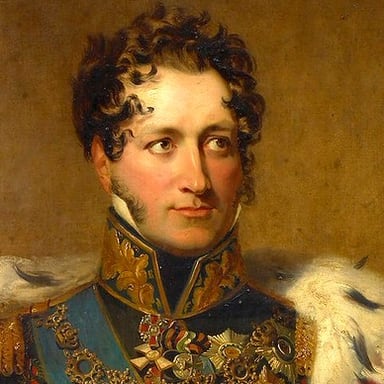 | Ernest IFather of Albert | 1784–1844 | Duke of Saxe-Coburg and Gotha. Sources4 | |
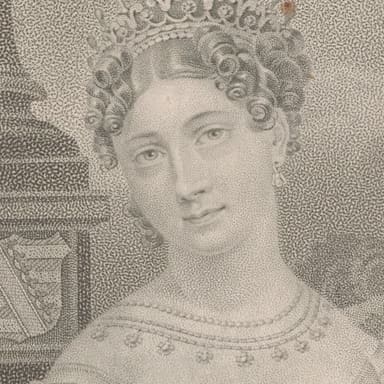 | Louise of Saxe-Gotha-AltenburgMother of Albert | 1800–1831 | Divorced from Ernest in 1826. Sources4 | |
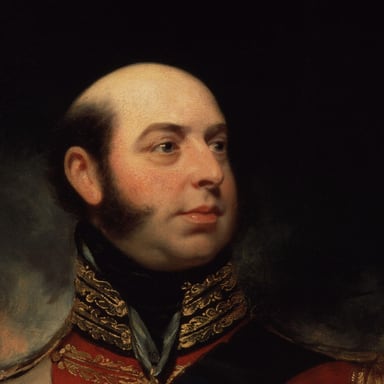 | Edward, Duke of KentFather of the Queen | 1767–1820 | Aged 51 at her birth. Sources8 | |
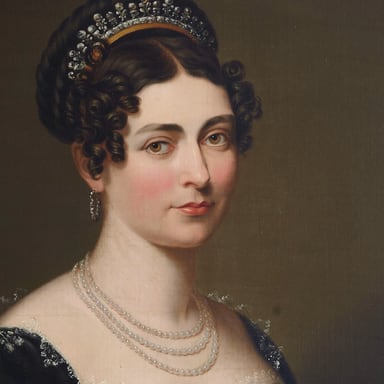 | Victoire of Saxe-Coburg-SaalfeldMother of the Queen | 1786–1861 | A sister of Ernest I. Sources4 | |
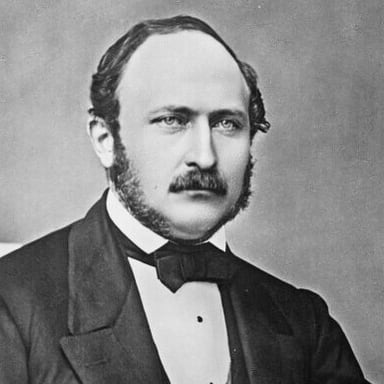 | Prince AlbertPrince Consort | 1819–1861 | He died of typhoid fever. Sources2 | |
| Queen VictoriaQueen, 1837 to 1901 | 1819–1901 | The first known carrier. | |
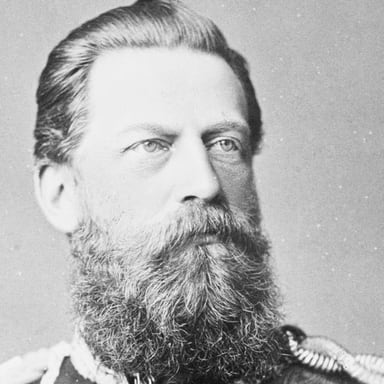 | Frederick IIIGerman Emperor | 1831–1888 | Married the Princess Royal. Sources9 | |
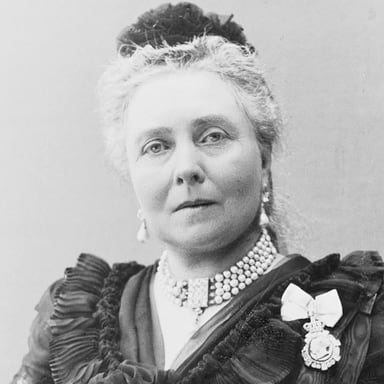 | Victoria, Princess RoyalGerman Empress | 1840–1901 | Probably not a carrier. | |
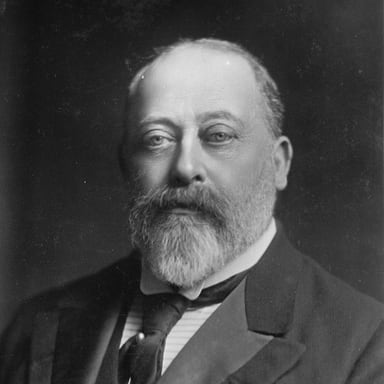 | Edward VIIKing | 1841–1910 | The eldest son. Sources9 | |
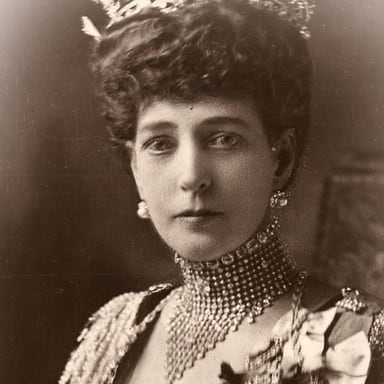 | Alexandra of DenmarkWife of Edward VII | 1844–1925 | Married in 1863. Sources9 | |
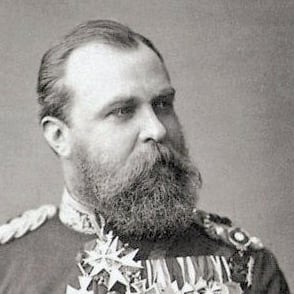 | Louis IV of HesseGrand Duke of Hesse | 1837–1892 | Married Alice in 1862. Sources9 | |
| AliceGrand Duchess of Hesse | 1843–1878 | A carrier. | |
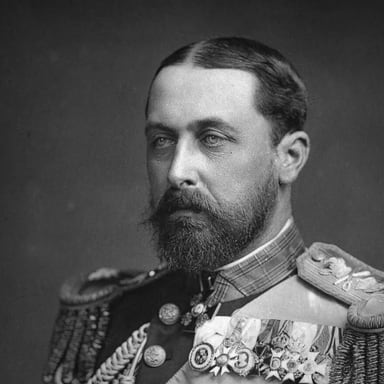 | AlfredDuke of Saxe-Coburg and Gotha | 1844–1900 | The second son. Sources9 | |
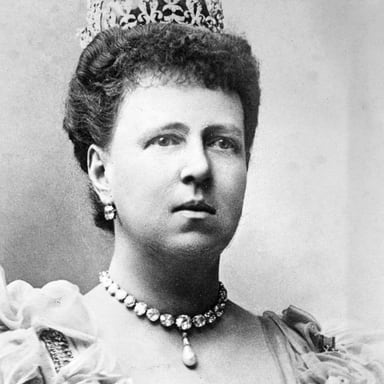 | Maria AlexandrovnaWife of Alfred | 1853–1920 | A grand duchess of Russia. Sources9 | |
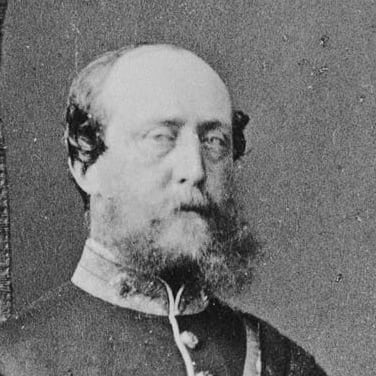 | Christian of Schleswig-HolsteinHusband of Helena | 1831–1917 | Married in 1866. Sources9 | |
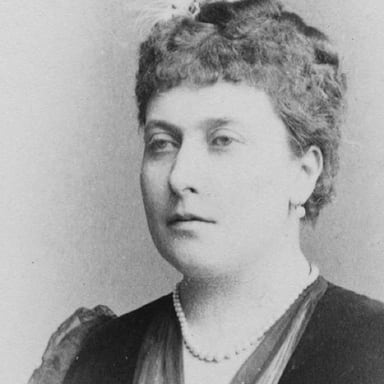 | HelenaThird daughter | 1846–1923 | Known as Princess Christian. Sources9 | |
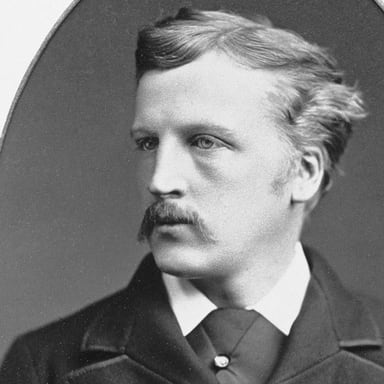 | John CampbellDuke of Argyll | 1845–1914 | Married Louise in 1871. Sources9 | |
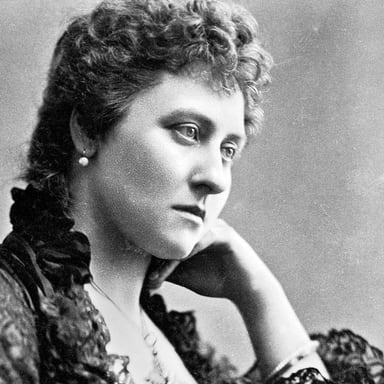 | LouiseDuchess of Argyll | 1848–1939 | The fourth daughter. Sources9 | |
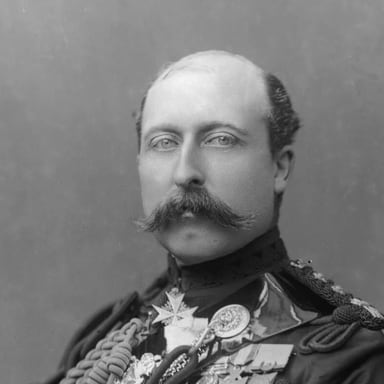 | ArthurDuke of Connaught | 1850–1942 | The third son. Sources9 | |
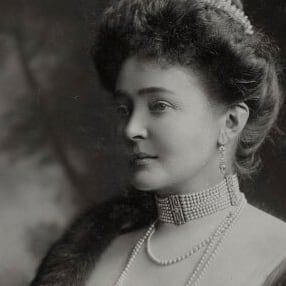 | Louise Margaret of PrussiaWife of Arthur | 1860–1917 | Married in 1879. Sources9 | |
| LeopoldDuke of Albany | 1853–1884 | He had haemophilia. Sources10 | |
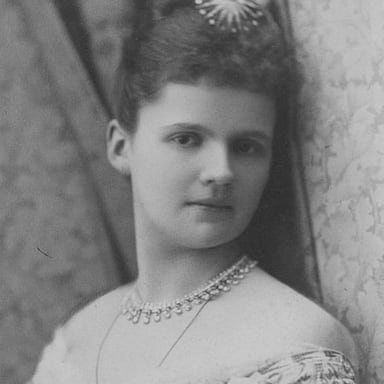 | Helena of Waldeck-PyrmontWife of Leopold | 1861–1922 | Widowed in 1884. Sources10 | |
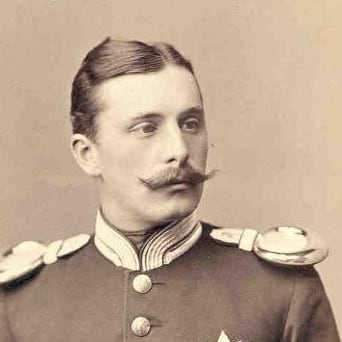 | Henry of BattenbergHusband of Beatrice | 1858–1896 | He died of malaria. Sources16 | |
| BeatriceYoungest child | 1857–1944 | A carrier. | |
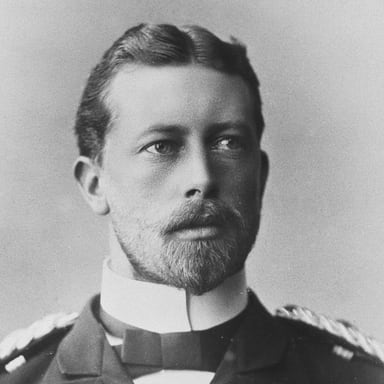 | Henry of PrussiaSon of Vicky | 1862–1929 | Married his cousin Irene. | |
| Irene of HesseDaughter of Alice | 1866–1953 | A carrier. | |
| Friedrich of HesseSon of Alice | 1870–1873 | He had haemophilia. Sources11 | |
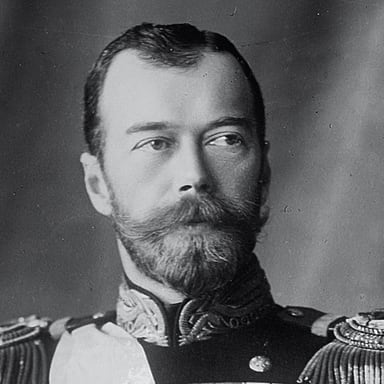 | Nicholas IIEmperor of Russia | 1868–1918 | Killed in 1918. Sources14 | |
| Alix of HesseEmpress of Russia | 1872–1918 | A carrier. Sources14 | |
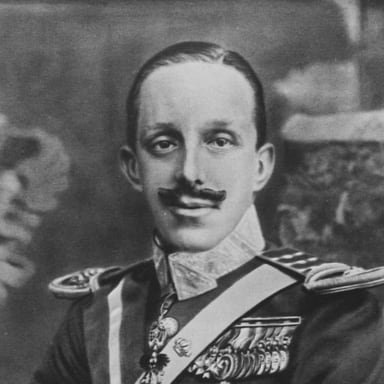 | Alfonso XIIIKing of Spain | 1886–1941 | Married Ena in 1906. Sources17 | |
| Victoria EugenieQueen of Spain | 1887–1969 | A carrier. Sources17 | |
| Waldemar of PrussiaSon of Irene | 1889–1945 | He had haemophilia. Sources13 | |
| Heinrich of PrussiaSon of Irene | 1900–1904 | He had haemophilia. Sources12 | |
| Alexei NikolaevichTsarevich of Russia | 1904–1918 | He had haemophilia. Sources15 | |
| Alfonso, Prince of AsturiasSon of Ena | 1907–1938 | He had haemophilia. Sources18 | |
| GonzaloInfante of Spain | 1914–1934 | He had haemophilia. Sources19 |
Terms used on the Queen Victoria family tree
- Carrier
A woman with one changed copy of the gene, who usually shows no sign of the disease.
Sources8
- De novo mutation
A change in a gene that first appears in one person, as the Queen’s probably did.
Sources8
- Haemophilia B
A bleeding disorder from a fault in clotting factor IX, also called Christmas disease.
Sources5
Questions about the Queen Victoria family tree
Which children of Queen Victoria carried haemophilia
On the Queen Victoria family tree, Alice and Beatrice carried it, and Leopold had it.
How haemophilia reached Russia and Spain
Through Alix, the mother of Alexei, and Ena, the mother of two Spanish infantes.
How to use this Queen Victoria family tree in a class
The PNG and the PDF carry the chart and its portrait credits.
People and sources
A page of its own lists the 19 numbered sources this article cites. It also gives the credits of the portraits and this page as a reference in the APA, MLA, Chicago and Harvard styles, ready to copy.