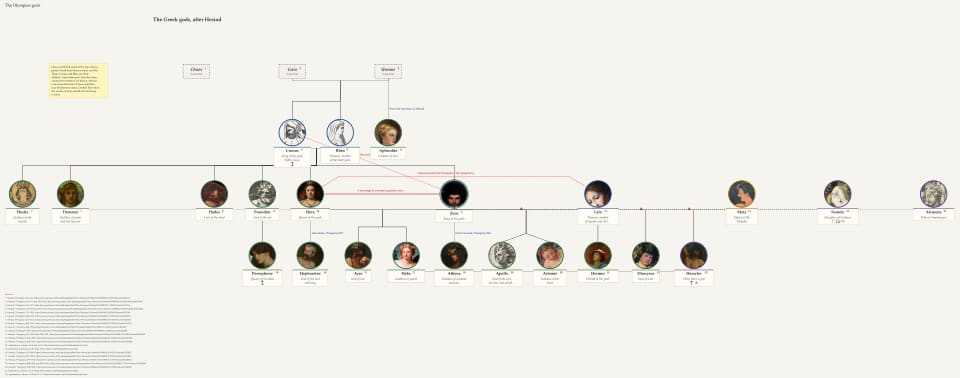
How to read this Greek mythology family tree
Read this Greek mythology family tree from the top down, one generation to a row. The gods have no dates, so each plate gives a title in place of years.
A picture is a figure
Each is a detail of an old painting, print or vase, named in the credits.
A double ring is the centre
Zeus is the centre, the youngest son who became king.
A solid line is a marriage
Cronus married Rhea, and Zeus married Hera.
A dashed line is a union
Five mothers bore children to Zeus outside his marriage to Hera.
A plain plate is a power
Chaos, Earth and Heaven have no portrait. Chaos and Earth had no parent.
A line from one parent
Aphrodite, Athena and Hephaestus each came from one parent alone.
From Chaos and Earth to the Titans
The Greek mythology family tree of Hesiod begins before any parent. “Verily at the first Chaos came to be, but next wide-bosomed Earth,” he writes, with Tartarus and Eros beside them.1 Chaos is not the mother of Earth in the poem.
Earth first bore starry Heaven, equal to herself, and then lay with him and bore the Titans.1 Hesiod names twelve, six sons and six daughters, from Oceanus, Coeus, Crius, Hyperion and Iapetus to “Cronos the wily, youngest and most terrible of her children.”1
Earth gave Cronus a sickle, and he cut off his father’s members and threw them into the sea. A maiden grew in the white foam around them, Aphrodite.1
The generations before the chart
- Came to be with no parent
- Earth and Heaven
- Titans
- Children of Cronus
- A daughter of Atlas
- A marriage
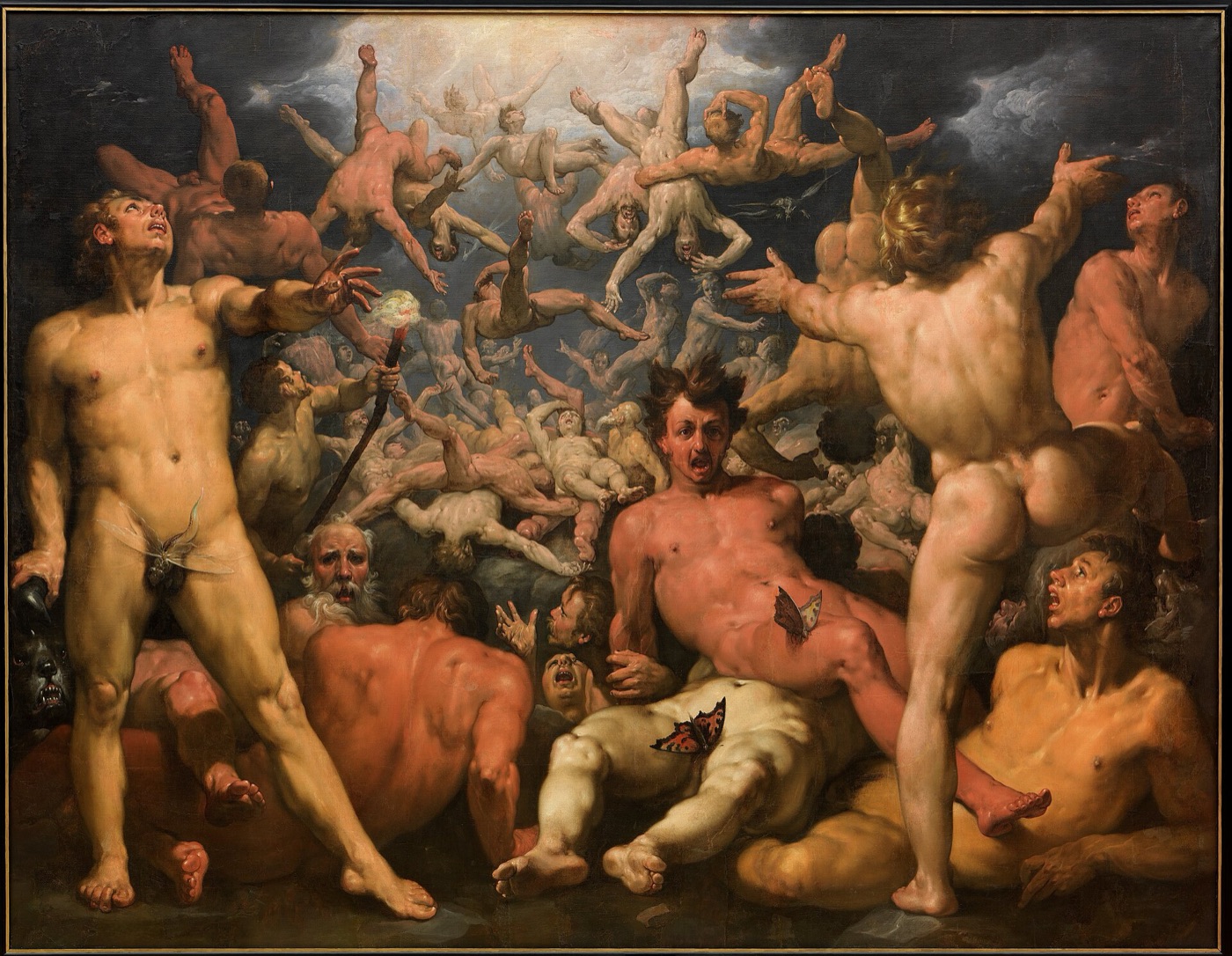
Cronus, Rhea and the swallowed children
Rhea bore Cronus six children, Hestia, Demeter, Hera, Hades, Poseidon and Zeus, the youngest.2 Earth and Heaven had told Cronus that a son would overcome him, so he swallowed each child “as each came forth from the womb.”1
When Zeus was due, Rhea was sent to Lyctus in Crete, and Cronus was handed a great stone wrapped in swaddling clothes, which he thrust down into his belly.1 Cronus later brought up the stone and the children he had swallowed, and Zeus set the stone at Pytho as a sign.2
Zeus and his brothers then fought the Titans and divided the world by lot. Zeus took the sky, Poseidon the sea and Hades the dead.6 In the Iliad Poseidon tells the same story of the three shares.11
 Cronus
 Rhea
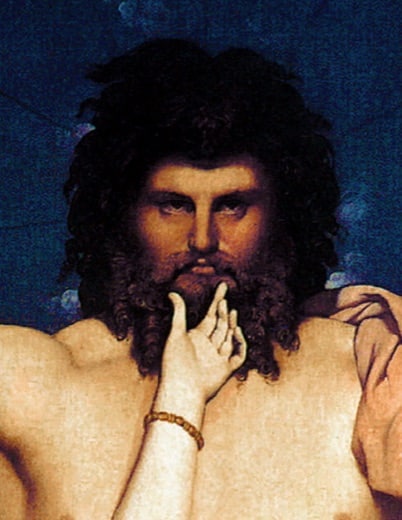 Zeus

The wives and children of Zeus
Hesiod gives Zeus seven wives in order, and names Hera last.34 The chart draws his unions with Hera, Demeter, Leto, Maia, Semele and Alcmene, and Athena born from his head. The table adds the others.
| Mother | Who she was | Children by Zeus |
|---|---|---|
| Metis | A daughter of Oceanus | Athena, born from his head |
| Themis | A Titaness | The Hours and the Fates |
| Eurynome | A daughter of Oceanus | The three Graces |
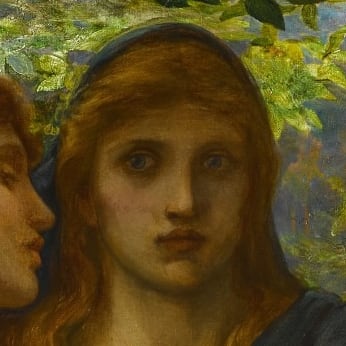 Demeter | His sister | Persephone |
| Mnemosyne | A Titaness | The nine Muses |
 Leto | Daughter of Coeus and Phoebe | Apollo and Artemis |
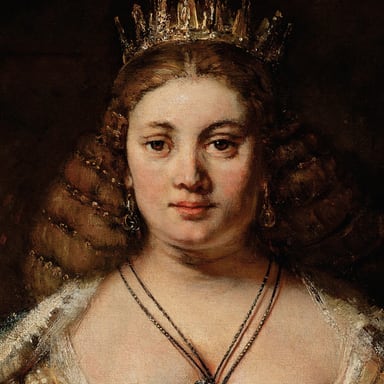 Hera | His sister, his last wife | Hebe, Ares and Eileithyia |
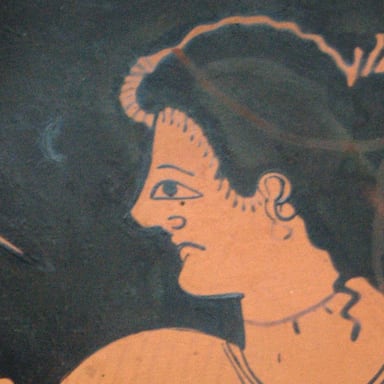 Maia | Daughter of Atlas | Hermes |
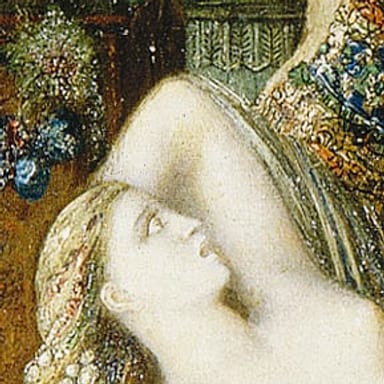 Semele | Daughter of Cadmus | Dionysus |
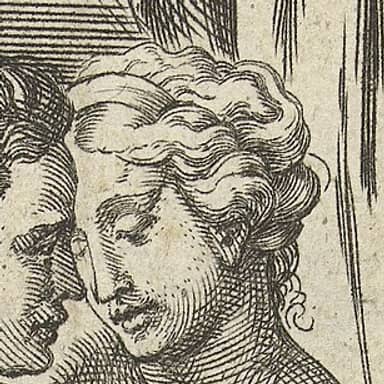 Alcmene | A mortal woman | Heracles |
Hera bore Hephaestus without union with Zeus, in anger at the birth of Athena from his head.1 Maia bore Hermes in a cave, where Zeus came to her at night while Hera slept.138
Where the ancient sources disagree
A Greek mythology family tree has to follow one poet. This one follows Hesiod, and the table sets the other readings beside his.
| Question | Hesiod, Theogony | Another source |
|---|---|---|
| Eldest son | Zeus is the youngest child | The Iliad calls Zeus the elder born of him and Poseidon |
| How the children came back | Cronus, beguiled by Earth, brought them up | Apollodorus says that Metis gave Cronus a drug |
| Birth of Zeus | At Lyctus in Crete | Apollodorus says a cave of Dicte, nursed by the Curetes |
| Mother of Aphrodite | Born from the foam about Heaven’s flesh | The Iliad and Apollodorus make her a daughter of Zeus and Dione |
| Father of Hephaestus | Hera bore him alone | Apollodorus says that in Homer he is a son of Zeus |
| Eldest daughter | Hestia is named first | The Hymn to Aphrodite calls her both eldest and youngest |
Many modern books call Hera a goddess of marriage. Homer and Hesiod do not give her that title, which rests on her cult names Gamelia, Zygia and Teleia.14
Questions about the Greek mythology family tree
Who came first in Greek mythology
In the Greek mythology family tree of the Theogony, Chaos came to be first and Earth next. Earth bore Heaven, and the Titans were the children of the two.
How Zeus is related to the Titans
Zeus is the son of the Titans Cronus and Rhea and a grandson of Earth and Heaven. The Titans Oceanus and Iapetus were his uncles.
Why Greek mythology family trees differ
The myths come from many poets over several centuries. Homer, Hesiod and Apollodorus give different mothers and different orders of birth, so each Greek mythology family tree has to follow one text.
People and sources
A page of its own lists all 26 people on the chart, each with a short note and the sources for it, and the 14 numbered sources this article cites. It also gives the credits of the portraits and this page as a reference in the APA, MLA, Chicago and Harvard styles, ready to copy.