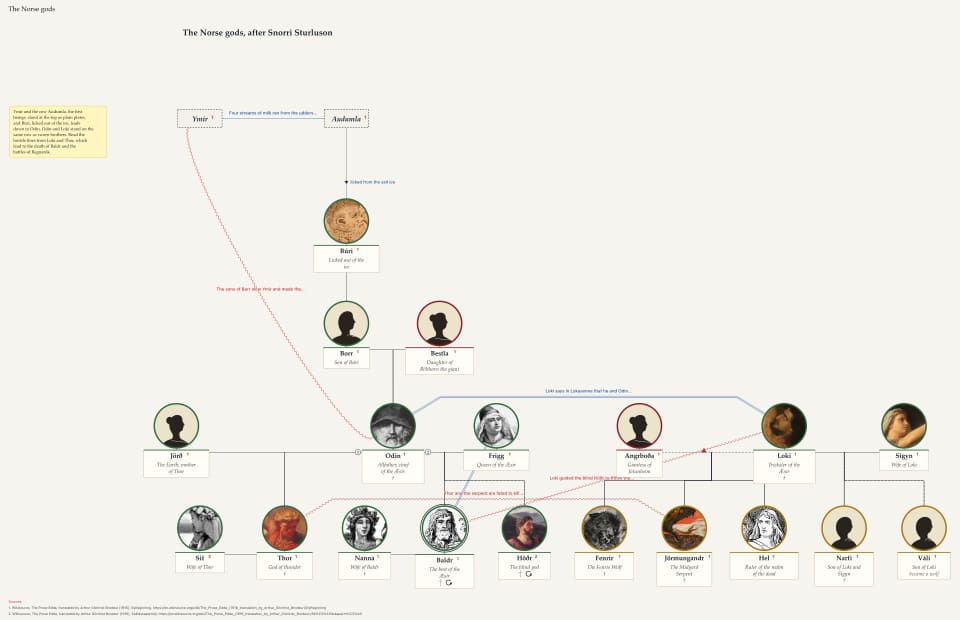
How to read this Odin family tree
Read this Odin family tree from the top down, one generation to a row. The gods have no dates, so each plate gives a title or the death the Edda records. Baldr is the centre.
Initials stand in for a picture
No old picture of Borr, Bestla, Jörð, Angrboða, Narfi or Váli is free to use, so the chart shows a silhouette. Ymir and Audumla are plain plates.
A solid line is a marriage
Odin is married to Frigg and to Jörð, and Loki to Sigyn.
A dashed line is a union
Loki had his three monstrous children by the giantess Angrboða.
A red line is enmity
Loki against Baldr, and Thor against the serpent he is fated to fight.
The ancestors of Odin
The Odin family tree of Gylfaginning begins with the giant Ymir and a cow called Audumla, who licked the salt stones of the ice. From the stones came Búri, who begat a son called Borr, “who wedded the woman named Bestla.”1 Their sons were three, “one was Odin, the second Vili, the third Vé.”1
The sons of Borr slew Ymir and made the earth of him.1 Snorri then explains why Odin is called Allfather, since he is the father of all the gods. His wife was Frigg, daughter of Fjörgvinn, but “the Earth was his daughter and his wife,” and on her he begot his first son, Ása-Thor.1
From Búri to the sons of Odin
- The first of the gods
- Sons of Borr and of Odin
- Wives
- A marriage
Sources1
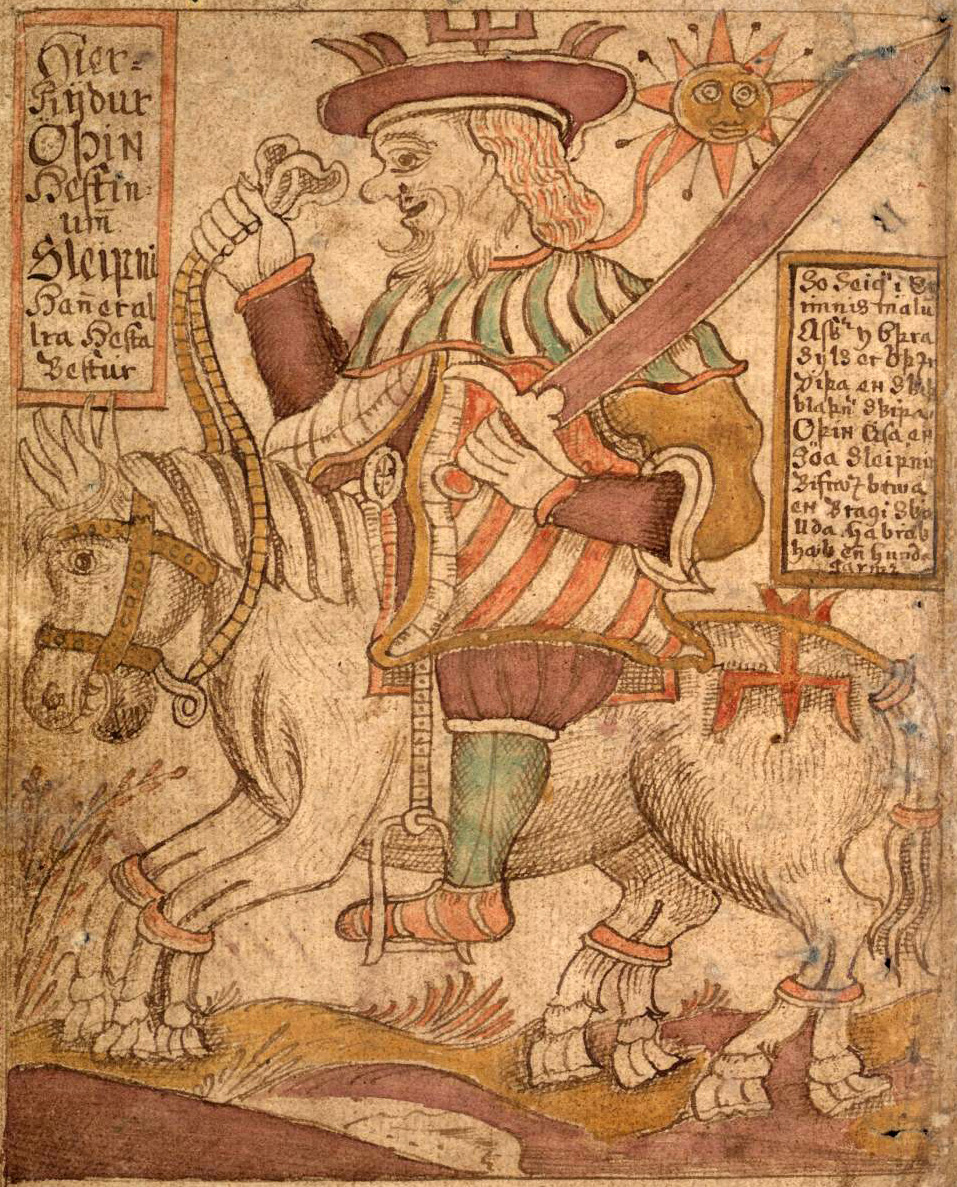
Odin, his wives and his sons
Snorri names the sons of Odin one by one. The chart draws the three whose story it tells.
| Son | Mother | What Snorri says | Chapter |
|---|---|---|---|
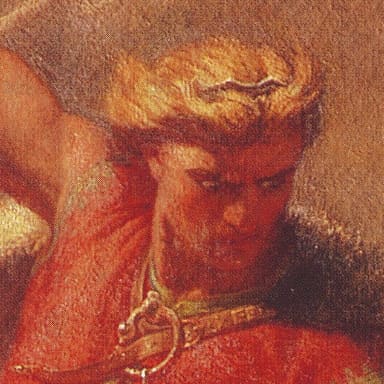 Thor | Jörð, the Earth | The first son of Odin, called Ása-Thor | IX |
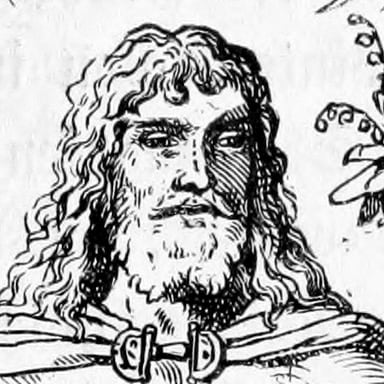 Baldr | Frigg | The second son of Odin | XXII |
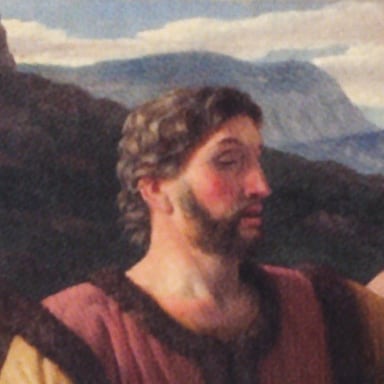 Höðr | Not named | One of the Æsir, and blind | XXVIII |
| Váli | Rindr | Son of Odin and Rindr | XXX |
Sources1
Snorri names only Odin as the father of Höðr, so the chart places him under Odin and Frigg by inference. Nanna, daughter of Nep, was the wife of Baldr and the mother of Forseti.1 Sif is drawn as the wife of Thor.
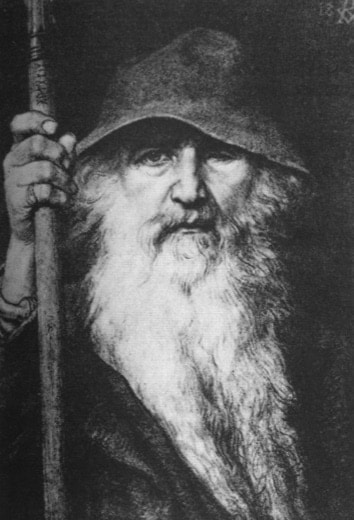 Odin
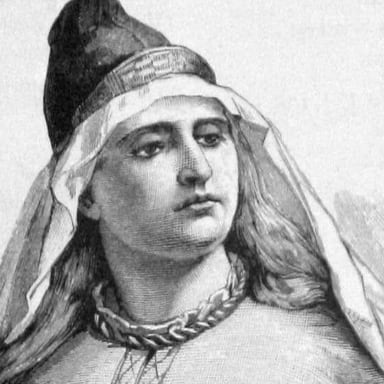 Frigg

Loki, Sigyn, Angrboða and their children
Loki is not a son of Odin. His father was Fárbauti the giant and his mother Laufey or Nál, and his wife was called Sigyn, “their son Nari or Narfi.”1 In the poem Lokasenna, Loki reminds Odin of an older bond between them, “Remember, Othin, in olden days, that we both our blood have mixed.”2
With the giantess Angrboða in Jötunheim, Loki had three children.1 “One was Fenris-Wolf, the second Jörmungandr,” and “the third is Hel.”1 Of Fenrir Snorri adds that the prophecies say he shall be the slayer of Odin.1
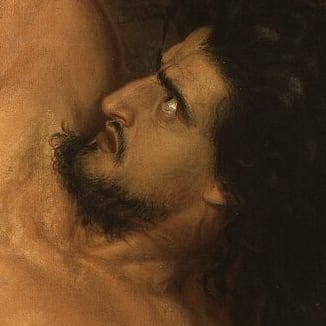 LokiSon of Fárbauti.
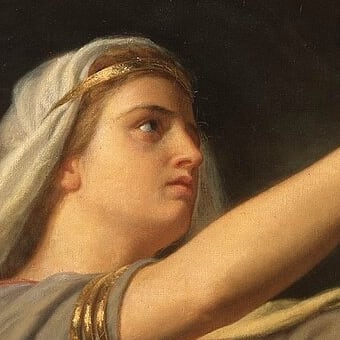 SigynWife of Loki.
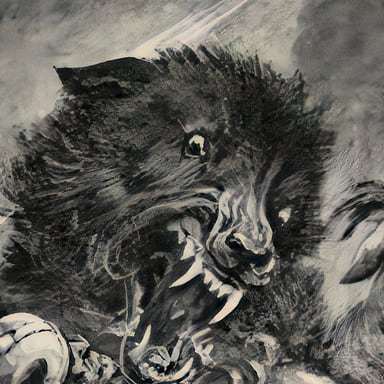 FenrirThe wolf.
 JörmungandrThe serpent.
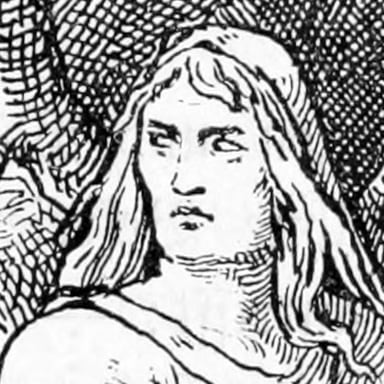 HelRuler of the dead.
The death of Baldr and the binding of Loki
Baldr the Good dreamed great and perilous dreams touching his life.1 Frigg took oaths from all things not to harm him, but passed over the mistletoe. Loki put a shaft of it in the hand of blind Höðr, and “the shaft flew through Baldr, and he fell dead to the earth.”1 At the funeral the heart of Nanna burst with grief, and she died.1 In the Völuspá a brother of Baldr is born soon after, and “one night old fought Othin’s son” until “he bore to the bale-blaze Baldr’s foe,” so the chart marks Höðr as dead.3
Hermóðr rode nine nights through dark dales to Hel, who would let Baldr go if all things in the world wept for him. Everything wept but a giantess in a cave who called herself Thökk, and men believe that she was Loki.1
The gods caught Loki. They changed Váli into a wolf, and he tore asunder his brother Narfi, and “the Æsir took his entrails and bound Loki with them over the three stones.”1 Sigyn “stands near him and holds a basin under the venom-drops.”1
At Ragnarök the wolf shall swallow Odin, and his son Víðarr shall tear the wolf’s jaws apart. Thor shall kill the Midgard Serpent, stride nine paces and fall dead of its venom.13
Where the Prose Edda and the Poetic Edda differ
Gylfaginning quotes older poems that survive in the Poetic Edda, and the two do not always agree on the Odin family tree.
| Question | Gylfaginning | Poetic Edda |
|---|---|---|
| Which son was the wolf | Váli became a wolf and tore Narfi apart | Lokasenna says that Narfi was changed to a wolf |
| What bound Loki | The entrails of the son who was killed | The bowels of his son Váli, in the prose of Lokasenna |
| What Sigyn held | A basin under the venom | A shell under the poison |
| Mother of Thor | Jörð, the Earth | Völuspá calls Thor the son of Fjorgyn |
Questions about the Odin family tree
Who the parents of Odin are
The Odin family tree of Gylfaginning names Borr, the son of Búri, as his father and Bestla as his mother. Odin had two brothers, Vili and Vé.
Whether Loki is the brother of Odin
Loki is not a son of Borr. His father was the giant Fárbauti. In Lokasenna he says that he and Odin mixed their blood, which made them sworn brothers.
How many sons Odin has
Gylfaginning names Thor, Baldr, Höðr and Váli among them, and Víðarr avenges his father at Ragnarök. The Odin family tree on this page draws Thor, Baldr and Höðr.
People and sources
A page of its own lists all 21 people on the chart, each with a short note and the sources for it, and the three numbered sources this article cites. It also gives the credits of the portraits and this page as a reference in the APA, MLA, Chicago and Harvard styles, ready to copy.