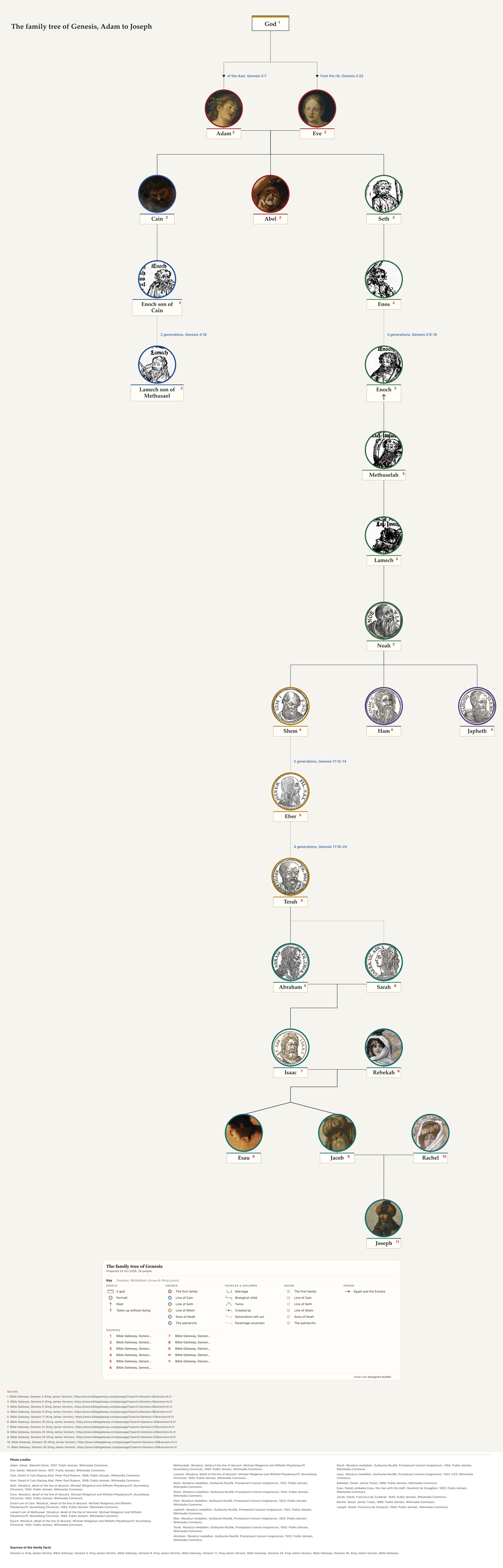
How to read this Genesis family tree
Read the chart from the top down. Genesis gives ages, not dates, so each plate gives the name alone.
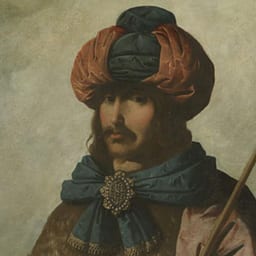
A picture is a likeness
A detail of an old painting or woodcut, named in the credits.
A line down is a son
A solid line joins a father to his son, and a dotted line passes over generations the chart leaves out. Wives whom Genesis does not name are not drawn.
A note counts a gap
Genesis names more generations there than the chart draws.
Adam, Eve and their three named sons
The Genesis family tree begins with one couple. Eve bore Cain, “a tiller of the ground,” and then Abel, “a keeper of sheep.”1 Cain rose up against his brother in the field and slew him.1 Eve then bore Seth, “another seed instead of Abel, whom Cain slew.”1
Genesis 5 opens the line again from Adam. He begat Seth “in his own likeness,” and afterwards “sons and daughters,” whom the text does not name.2 Genesis never names Cain’s wife, so the chart draws no mother for his son.1
Two Enochs and two Lamechs
Genesis 4 follows Cain’s family and Genesis 5 follows Seth’s, and the two lists share names. Cain built a city and named it after his son Enoch, and four generations later came Lamech, who took two wives, Adah and Zillah.1 Their children were Jabal, the father of herdsmen, Jubal, the father of “such as handle the harp and organ,” Tubal-cain, the smith, and a daughter, Naamah.1
Seth’s line has its own Enoch, the father of Methuselah, and its own Lamech, the father of Noah.2 When Seth’s son Enos was born, “then began men to call upon the name of the Lord.”1
The end of Seth’s Enoch is read in two ways. Genesis says that “he was not; for God took him.”2 The Letter to the Hebrews reads this as a man “translated that he should not see death,” and Jude calls him “the seventh from Adam.”910 Rashi reads the same verse as an early death, saying that God took a righteous man away before his time.12 The chart follows the words of Genesis and draws an arrow up after his name, the mark of a man taken up without dying.2 Rashi also names Naamah, the sister of Tubal-cain, as the wife of Noah, after Genesis Rabbah.11

From Noah to Terah
Lamech named his son Noah, “saying, This same shall comfort us concerning our work and toil of our hands.”2 Noah begat Shem, Ham and Japheth, and “of them was the whole earth overspread.”23 Ham is named as the father of Canaan.3 Genesis 10 then sets out the peoples that came from the three sons.4
Genesis 11 carries Shem’s line through nine generations to Terah, with the age of each father at the birth of his son.5 The chart draws Eber, in whose son Peleg’s days “was the earth divided,” and leaves out Arphaxad, Salah, Peleg, Reu, Serug and Nahor, counting them in notes beside the line.45
Terah to Joseph
Terah begat Abram, Nahor and Haran.5 The chart follows Abraham and Sarah to Isaac, Isaac and Rebekah to the twins Esau and Jacob, and Jacob and Rachel to Joseph.678 The Abraham, Isaac and Jacob family tree draws this part of the Genesis family tree in full, with Hagar, Ishmael, Leah and all twelve sons of Jacob.
Every person on the Genesis family tree
Each person has a row with the verse that names the parents.
| Portrait | Person | In the sources | On the chart |
|---|---|---|---|
| G | GodCreator, a name plate | Formed Adam of the dust and made Eve of his rib, Genesis 2:7 and 2:22. Sources13 | |
 | AdamThe first man | Lived nine hundred and thirty years. Sources2 | |
 | EveWife of Adam | Mother of Cain, Abel and Seth. Sources1 | |
 | CainSon of Adam | A tiller of the ground who slew Abel. Sources1 | |
 | AbelSon of Adam | A keeper of sheep. Sources1 | |
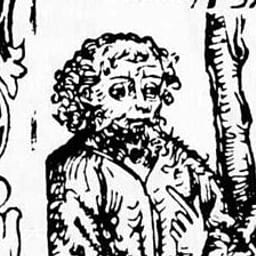 | SethSon of Adam | Born after Abel’s death. | |
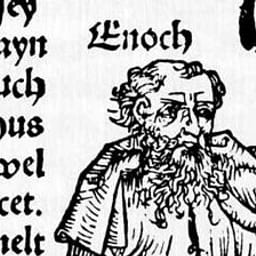 | Enoch son of CainLine of Cain | A city was named after him. Sources1 | |
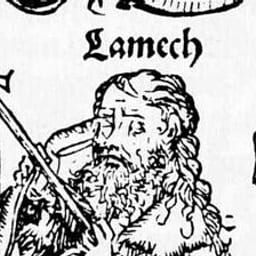 | Lamech son of MethusaelLine of Cain | Husband of Adah and Zillah. Sources1 | |
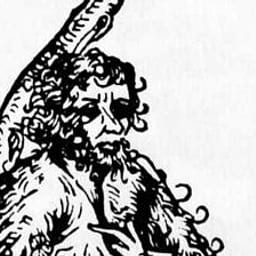 | EnosSon of Seth | Genesis 4:26 and 5:6. | |
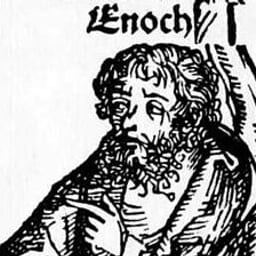 | EnochLine of Seth | Walked with God. Sources2 | |
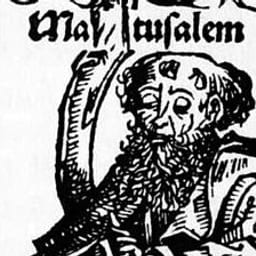 | MethuselahSon of Enoch | Lived nine hundred sixty and nine years. Sources2 | |
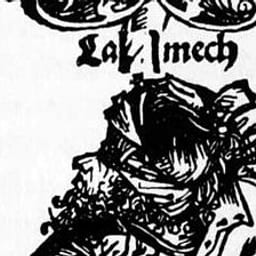 | LamechSon of Methuselah | Father of Noah. Sources2 | |
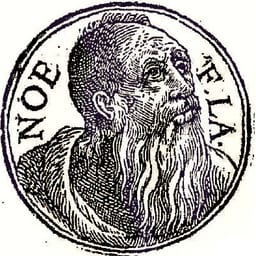 | NoahSon of Lamech | Father of Shem, Ham and Japheth. Sources2 | |
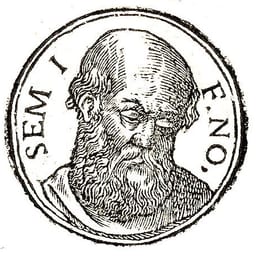 | ShemSon of Noah | Genesis 11:10 opens his line. Sources5 | |
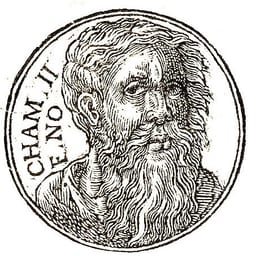 | HamSon of Noah | Father of Canaan. Sources3 | |
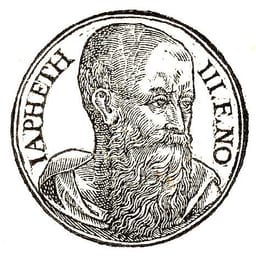 | JaphethSon of Noah | Genesis 9:18. Sources3 | |
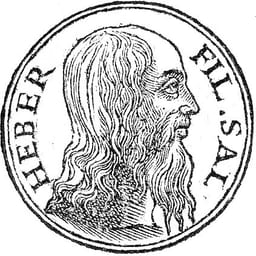 | EberLine of Shem | Father of Peleg and Joktan. | |
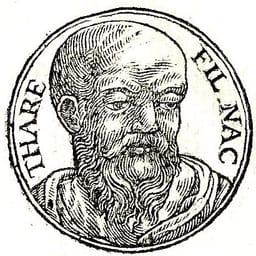 | TerahLine of Shem | Father of Abram, Nahor and Haran. Sources5 | |
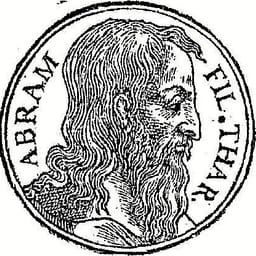 | AbrahamSon of Terah | Father of Isaac. | |
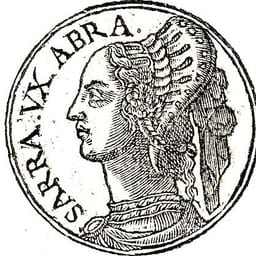 | SarahWife of Abraham | Mother of Isaac. Sources6 | |
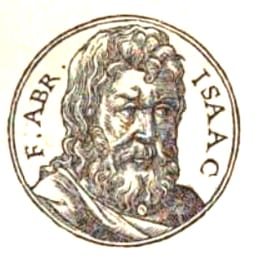 | IsaacSon of Abraham | Father of the twins. | |
 | RebekahWife of Isaac | Mother of Esau and Jacob. Sources7 | |
 | EsauElder twin | Genesis 25:25. Sources7 | |
 | JacobYounger twin | Genesis 25:26. Sources7 | |
 | RachelWife of Jacob | Mother of Joseph. Sources8 | |
 | JosephSon of Jacob and Rachel | Genesis 30:24. Sources8 |
Questions about the Genesis family tree
Who Cain married
Genesis does not name Cain’s wife. Genesis 5:4 says that Adam begat sons and daughters besides the three sons it names.
How many generations Genesis counts from Adam to Noah
Ten, by the list of Genesis 5, from Adam to Noah. Jude calls Enoch the seventh from Adam.
Whether the two Enochs are the same man
No. Enoch son of Cain is in Genesis 4:17, and Enoch son of Jared, of Seth’s line, is in Genesis 5:18.
People and sources
A page of its own lists the 13 numbered sources this article cites. It also gives the credits of the portraits and this page as a reference in the APA, MLA, Chicago and Harvard styles, ready to copy.