How to read this Curie family tree
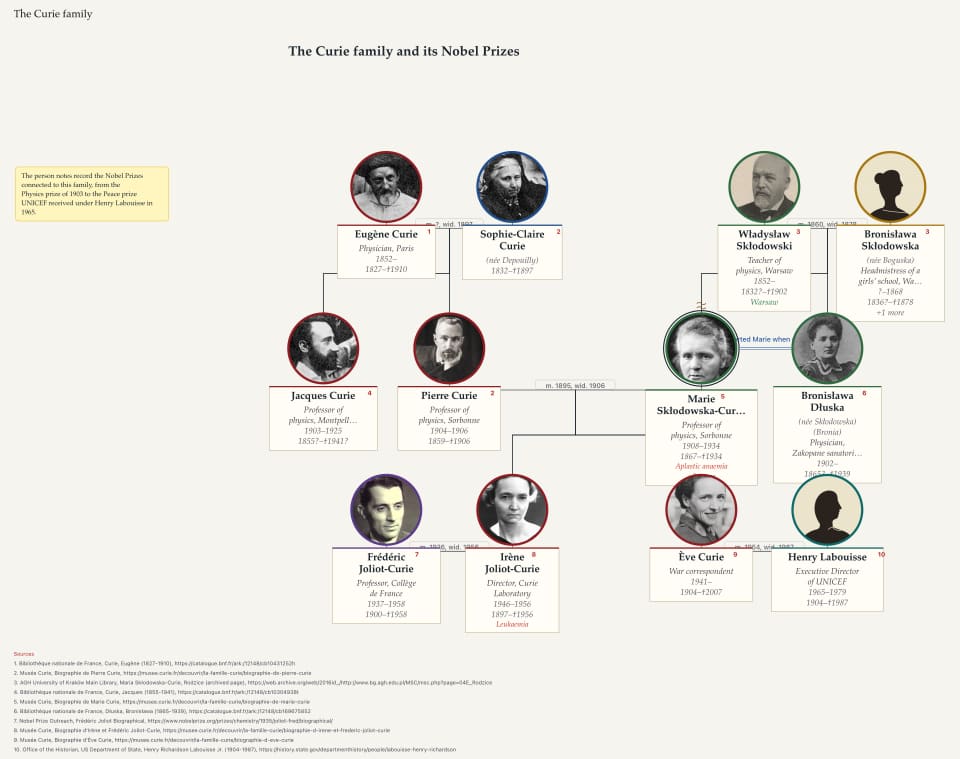
Read the Curie family tree from the top down, one generation to a row. Children hang from the line that joins their parents, and a married couple stands side by side on one level.
A portrait is a person
Every person on this chart has a public domain portrait.
The plate names the person
It gives the years, with a dagger before the year of death, and the work the person did.
A double ring is the centre
Marie Skłodowska-Curie is the centre of the chart.
A red line is an illness
The chart marks illness only for people who died long before 2000.
The chart marks the leukaemia of Irène, which the Musée Curie ties to her work.10 It marks nothing for Ève Curie, who died in 2007, and draws one line of feeling, between Marie and her sister Bronia.
Five Nobel Prizes in one Curie family tree
The Musée Curie calls the Curies a family of five Nobel Prizes.11 Four people on the chart won them. Marie won twice, and she was the first person to receive two Nobel Prizes.1 Pierre shared the first prize with her, and their daughter Irène shared a later one with her husband.
| Laureate | Year | Prize | The prize was given |
|---|---|---|---|
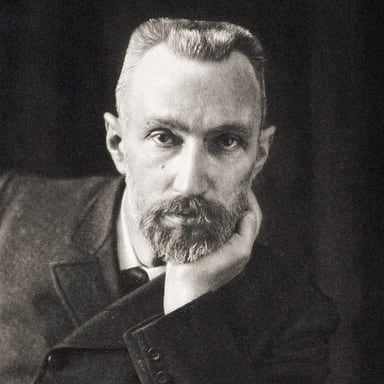 Pierre Curie | 1903 | Physics, a quarter share | For joint research on the radiation discovered by Henri Becquerel. |
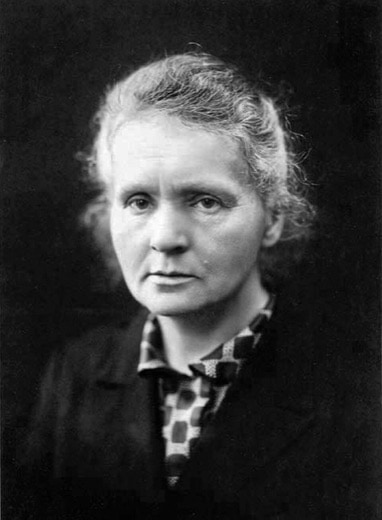 Marie Curie | 1903 | Physics, a quarter share | For the same joint research, shared with Pierre Curie and Henri Becquerel. |
| Marie Curie | 1911 | Chemistry, the whole prize | For the discovery of radium and polonium and the isolation of radium. |
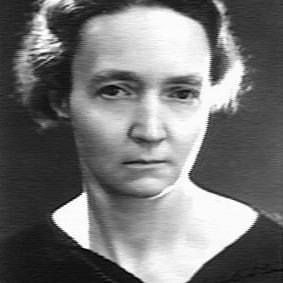 Irène Joliot-Curie | 1935 | Chemistry, a half share | For the synthesis of new radioactive elements. |
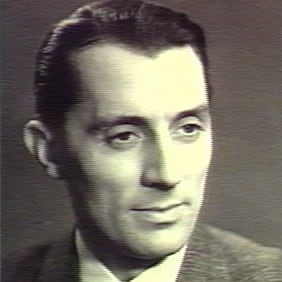 Frédéric Joliot | 1935 | Chemistry, a half share | For the same synthesis, shared with his wife. |
A sixth prize is often counted with the family, though it did not go to a person. The Nobel Peace Prize of 1965 went to UNICEF, the United Nations fund for children.6 Henry Labouisse, the husband of Ève Curie, led UNICEF from 1965 to 1979, so the prize came in his first year in charge.12 The chart notes it in his entry and does not count it among the five.
Two families at the top of the Curie family tree
On the left of the top row are Eugène Curie, a doctor, and Claire Depouilly, the daughter of an industrialist of Alsatian origin.8 Their sons were Jacques, the elder by three and a half years, and Pierre, born at 16 rue Cuvier in Paris in 1859. The Musée Curie says the brothers were very close.8
On the right are Władysław Skłodowski and Bronisława Skłodowska. The Nobel biography of their daughter describes a family of teachers in Warsaw who believed strongly in education.1 The universities of Warsaw were closed to women, so the sisters Bronia and Maria made a pact. Maria worked as a governess to pay for the medical studies of Bronia in France, and Bronia would then help her in turn.7
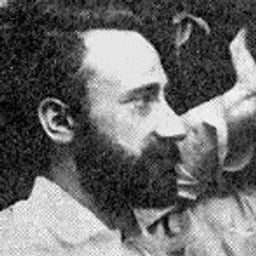 Jacques CurieThe elder brother of Pierre.
- Pierre CuriePhysicist, Nobel Prize of 1903.
- Marie CurieNobel Prizes of 1903 and 1911.
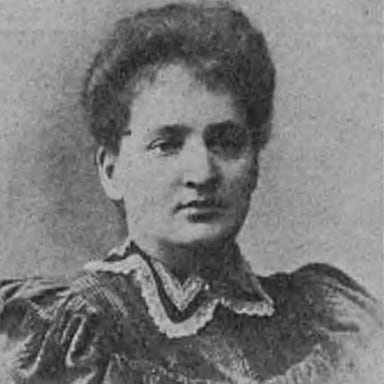 Bronia DłuskaPhysician and elder sister of Marie.
Pierre and Marie Curie
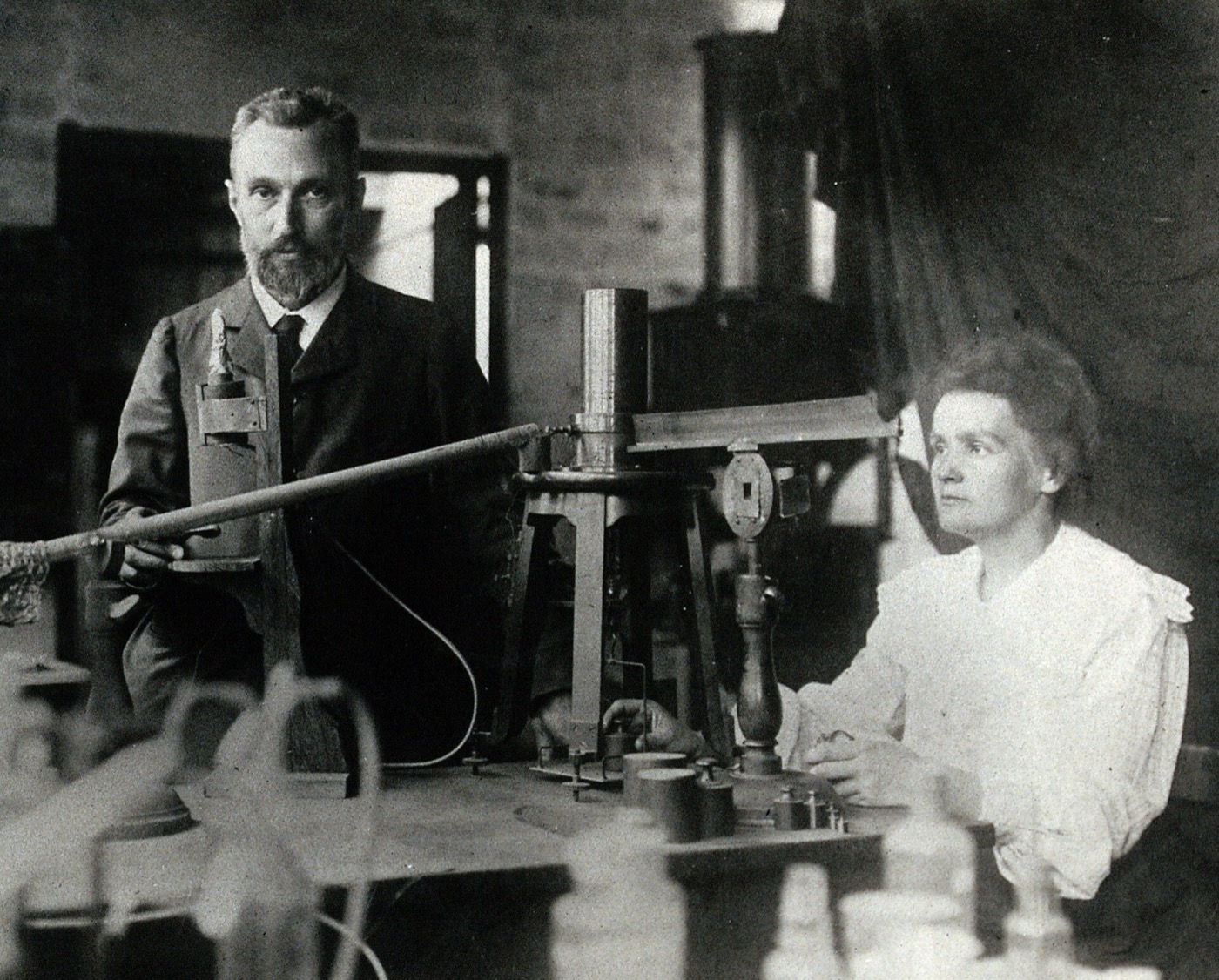
Marie came to Paris and enrolled at the Sorbonne in October 1891.7 She married Pierre Curie in 1895, and the two worked together on radioactivity.9 On 18 July 1898 they announced a new radioactive element, polonium, and on 26 December of that year, with Gustave Bémont, they announced radium.9
Pierre died in Paris in 1906, struck by a horse-drawn wagon in the rue Dauphine, and Marie went on with the work alone.8 During the First World War she organised mobile X-ray teams, and Irène worked with her on them.4

Irène, Ève and the end of the Curie family tree
Irène married Frédéric Joliot on 9 October 1926, according to the Musée Curie.10 In January 1934 the couple discovered artificial radioactivity, the work for which they shared the prize of 1935. They had two children, Hélène in 1927 and Pierre in 1932.10 The Curie family tree ends with the generation of their parents and leaves out living people.
The younger daughter, Ève Curie, was the only member of the family who did not choose a career in science.11 She began as a pianist, and she is best known for the first biography of her mother, Madame Curie. She later worked beside her husband Henry Labouisse at UNICEF.11
After Irène died in 1956, Frédéric took her place as director of the Curie laboratory, and he died in 1958.10 The people table lists every person on the Curie family tree with the years from the chart.
Questions about the Curie family tree
How many Nobel Prizes the Curie family won
Five went to people on the Curie family tree. Marie won two, Pierre one, and Irène and Frédéric one each. UNICEF won a sixth under Henry Labouisse.
Why the grandchildren are not on the chart
Irène and Frédéric had two children, Hélène and Pierre. The chart ends with their parents, and the page leaves out living people.
How to use this chart in a class
The PNG and the PDF carry the chart and every portrait credit, and the people table lists who was alive in each period. A free account opens the chart in the full editor.
People and sources
A page of its own lists all 12 people on the chart, each with a short note and the sources for it, and the 12 numbered sources this article cites. It also gives the credits of the portraits and this page as a reference in the APA, MLA, Chicago and Harvard styles, ready to copy.